

Data engineering
Data model, quality, migrations from spreadsheets, reports. The foundation for everything else.
Automation is not a licence — it is technical decisions made hundreds of times during a rollout. That is why we say plainly what expertise we have and how we work.
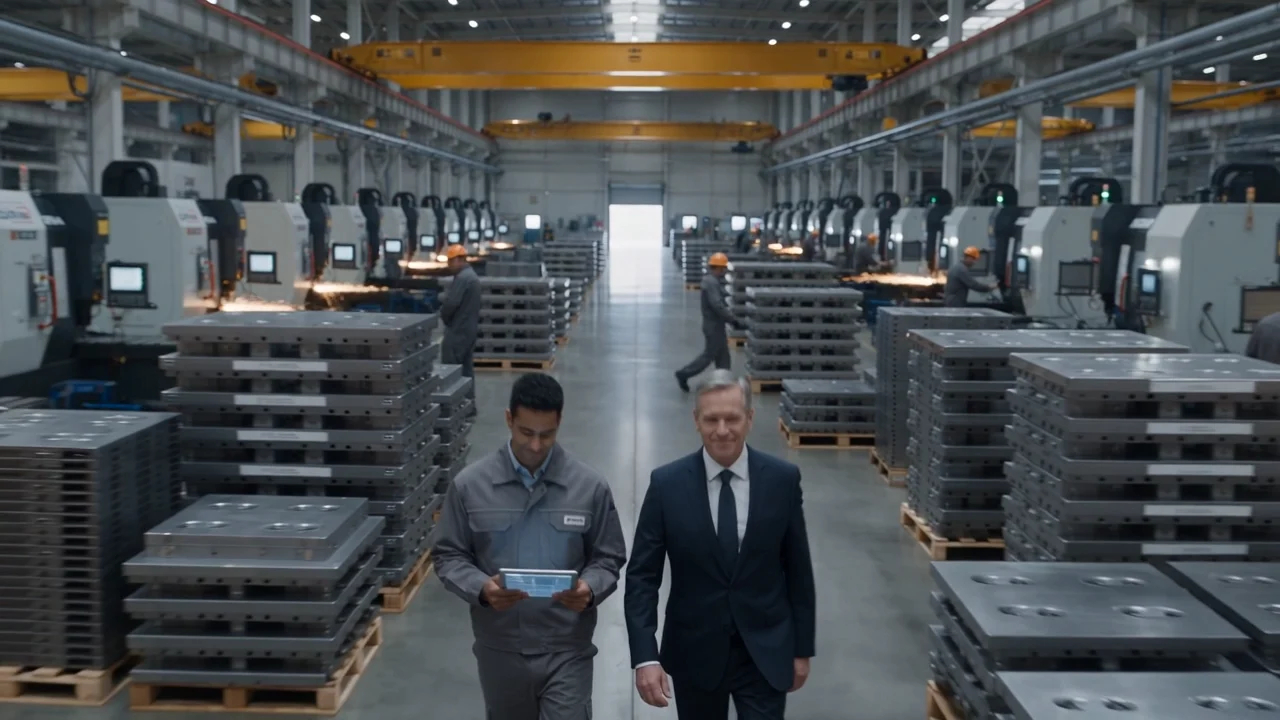
Not subcontractors picked for the project — people who do this every day.
Data model, quality, migrations from spreadsheets, reports. The foundation for everything else.
API, REST, SOAP, SQL — and whatever has no API. Business systems connected to the shop floor.
The workbench where workflows, agents and apps are built.
Document agents, knowledge assistants, prediction — with a human in the loop.
OPC-UA, Modbus, MQTT, sensors, tags. Signals from the shop floor, in the data.
Apps for the people on the shop floor, and knowing how a plant works when something stops.
Automated storage and apps that are really in use, not mock-ups.
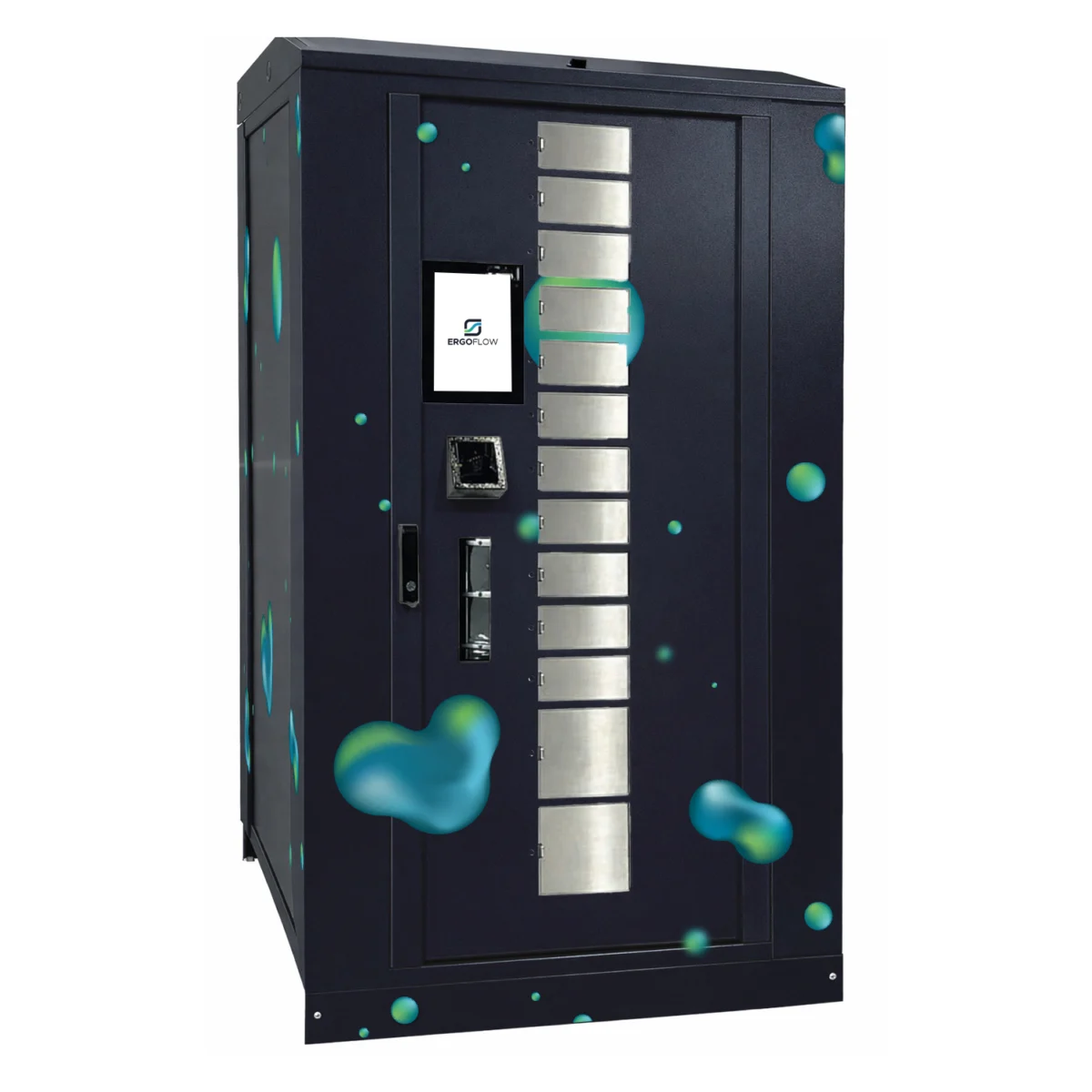
Drum and locker dispensers, with RFID identification and ERP integration. Tools and PPE 24/7, with allowances and consumption reports.

Ticket refunds, storeroom and canteen, access control, bookings — four modules rolled out for municipalities and their organisational units.
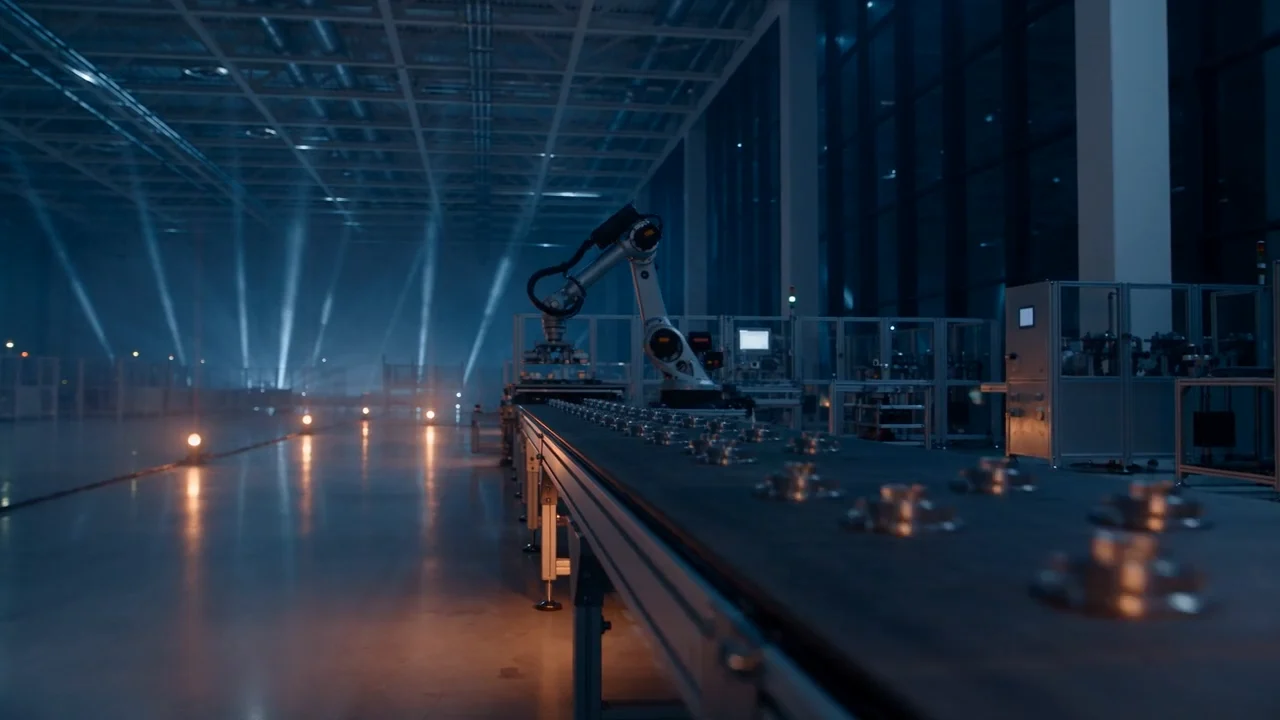
ERP, MES, WMS, time and attendance and CRM connected to the shop floor, machines and spreadsheets — in one flow, with no human in between.
Quite the opposite. That is exactly when we’re needed. Putting data in order is the first layer of our work, not a prerequisite.
Most of our clients have none, or just one person. We work in a way that does not burden your team — we need access and a few hours from people who know the process.
The audit has a fixed price; the pilot depends on the process. After the audit you know the price range to the last zloty — before any decision on a rollout.
The most common cause: too much scope at once and no shop-floor people on the project. That is why we start with one process and talk to the people who carry it out — not just to the management.
No. The documentation, access and data are yours. Standard technologies, no closed formats. Keeping maintenance with us should be a choice, not a necessity.
For our clients, AI takes over the work nobody wants to do — retyping, searching, stitching reports together. People stay; they just do what they were hired to do.
A conversation about your process. No presentation about AI — questions about where work gets stuck today.