

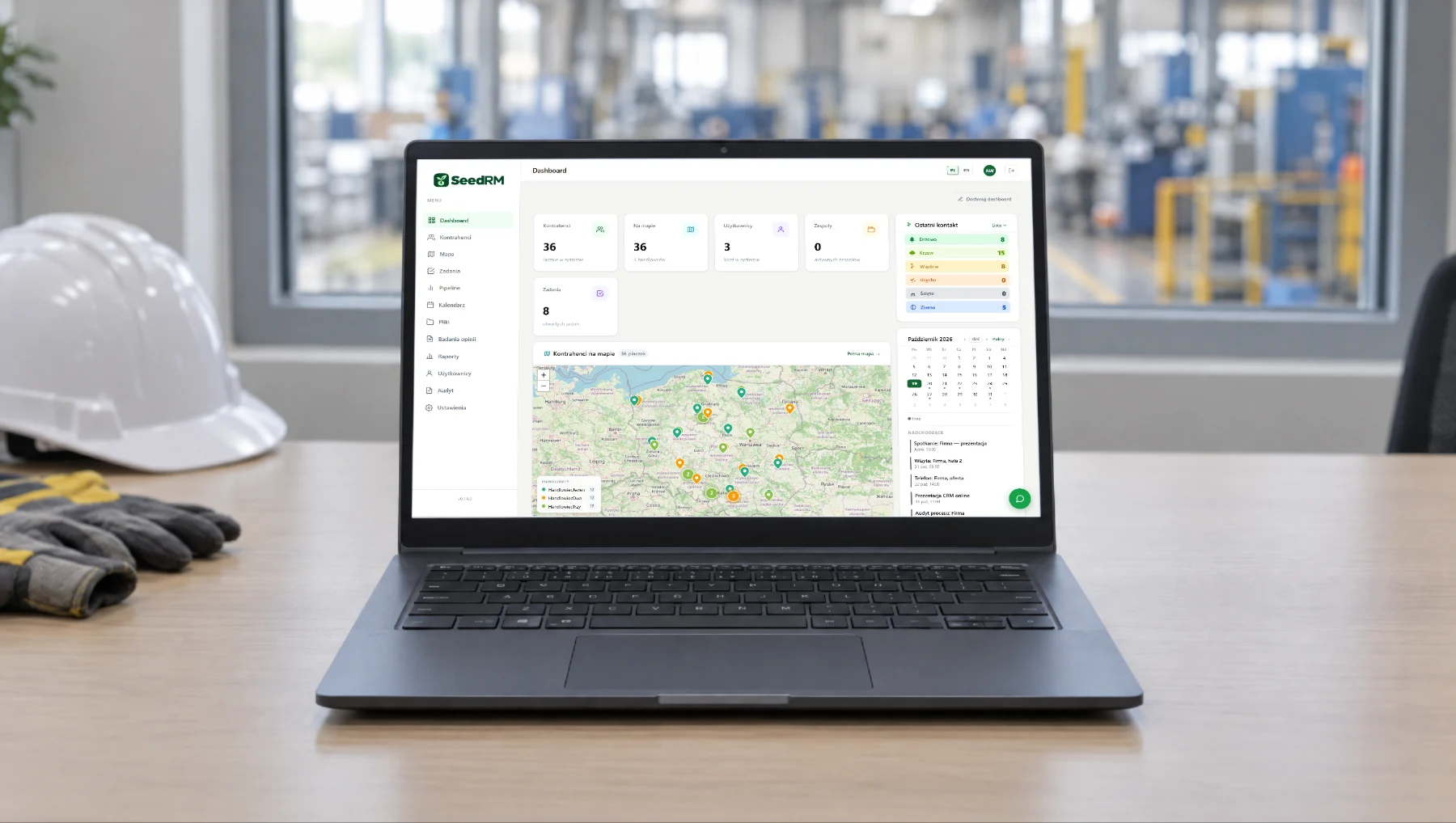
SeedRM — CRM for sales reps
Customers on a map, a timeline of contact events, an opportunity pipeline, activity and target reports, satisfaction surveys.
We map what really happens. We organise the data. We take the company out of Excel and into an application built for your process — not for a “typical client”.

Ready-made applications that we adapt to a company’s process or develop for it from scratch.
Customers on a map, a timeline of contact events, an opportunity pipeline, activity and target reports, satisfaction surveys.
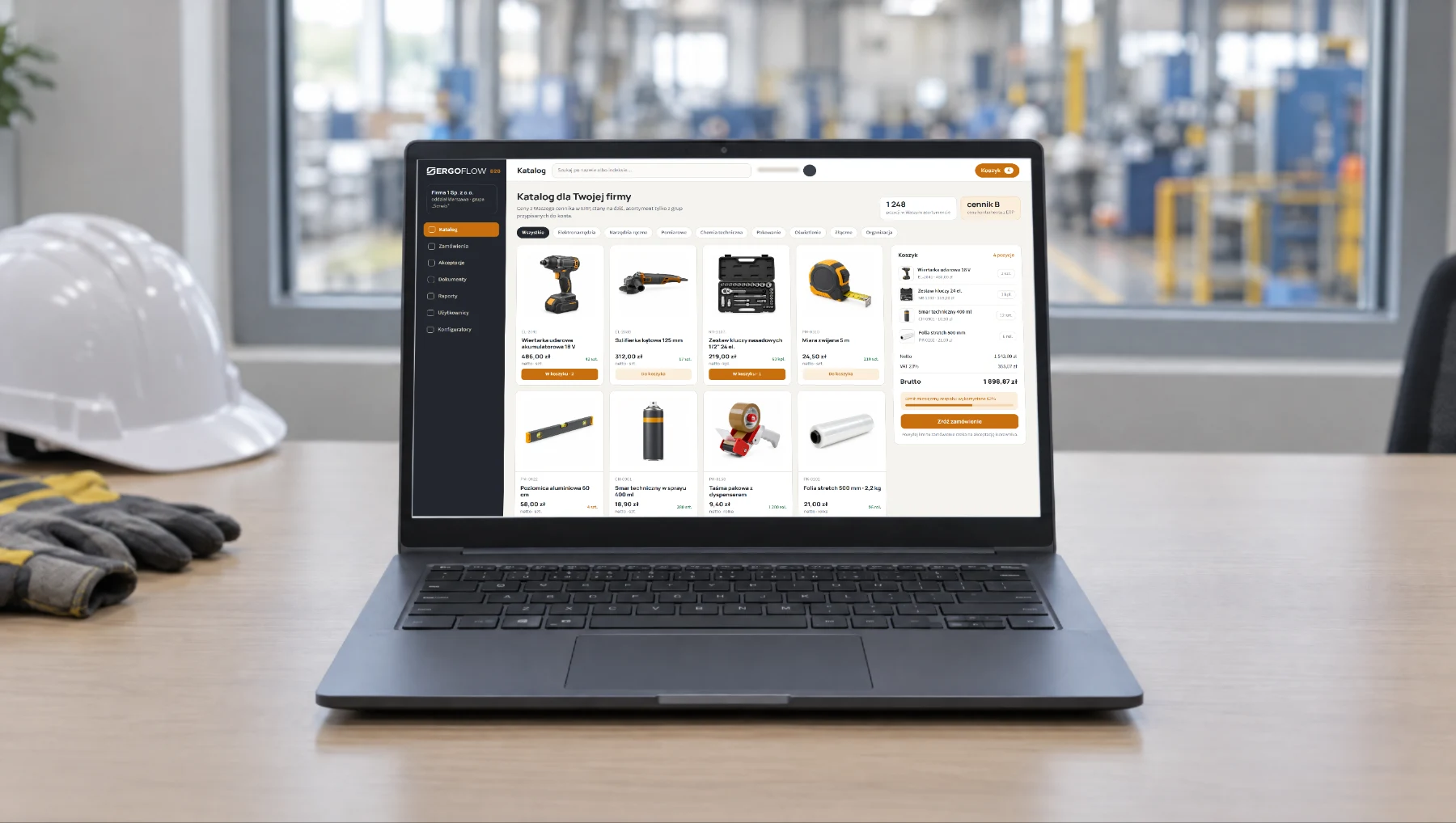
A catalogue with customer-specific prices from the ERP, approvals and limits within the client’s company, invoices and goods dispatch notes (WZ), made-to-order product configurators.
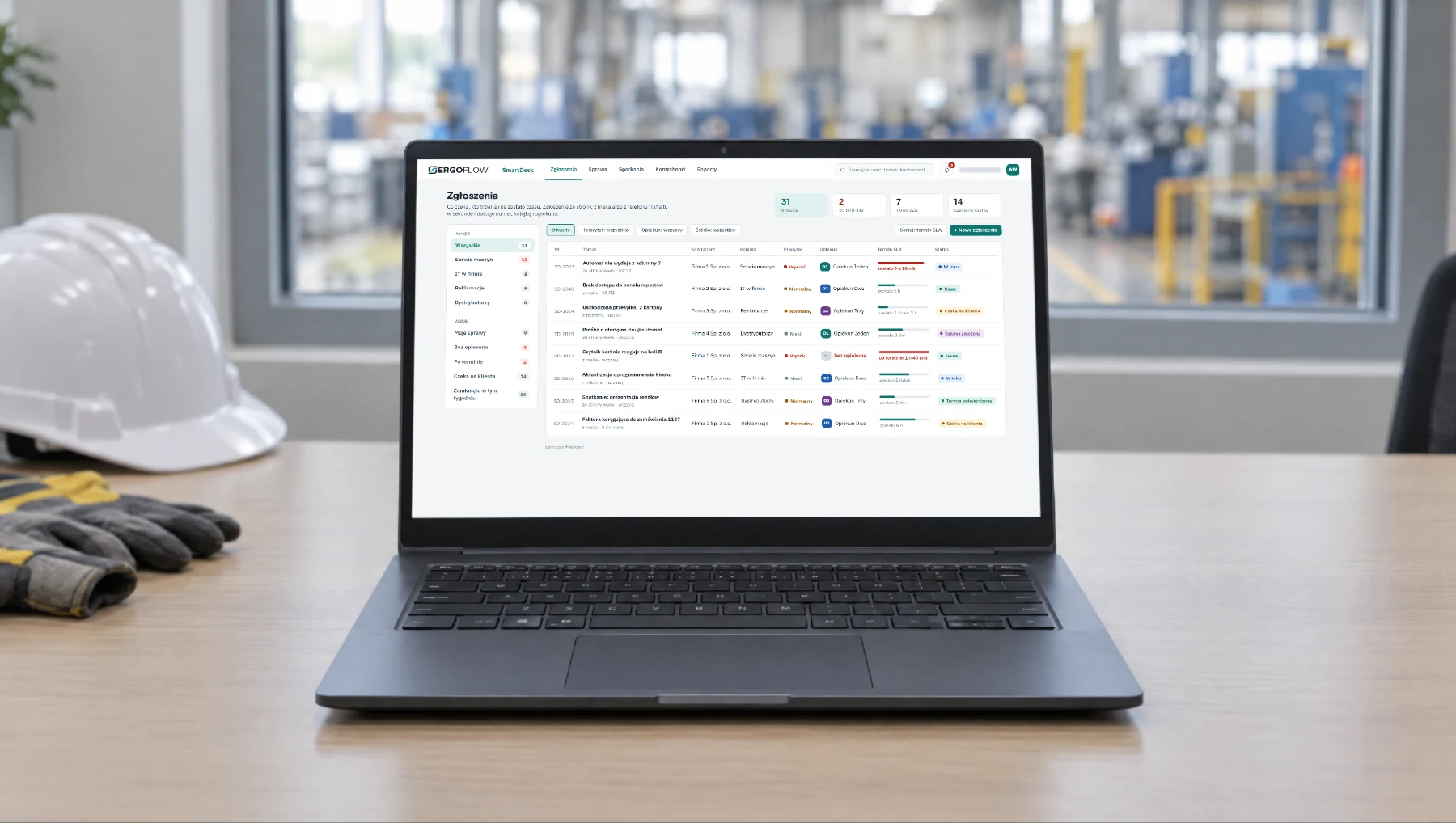
Tickets from the website, e-mail and phone in queues with an assignee and a deadline, meetings confirmed by the client, on-time performance reports.
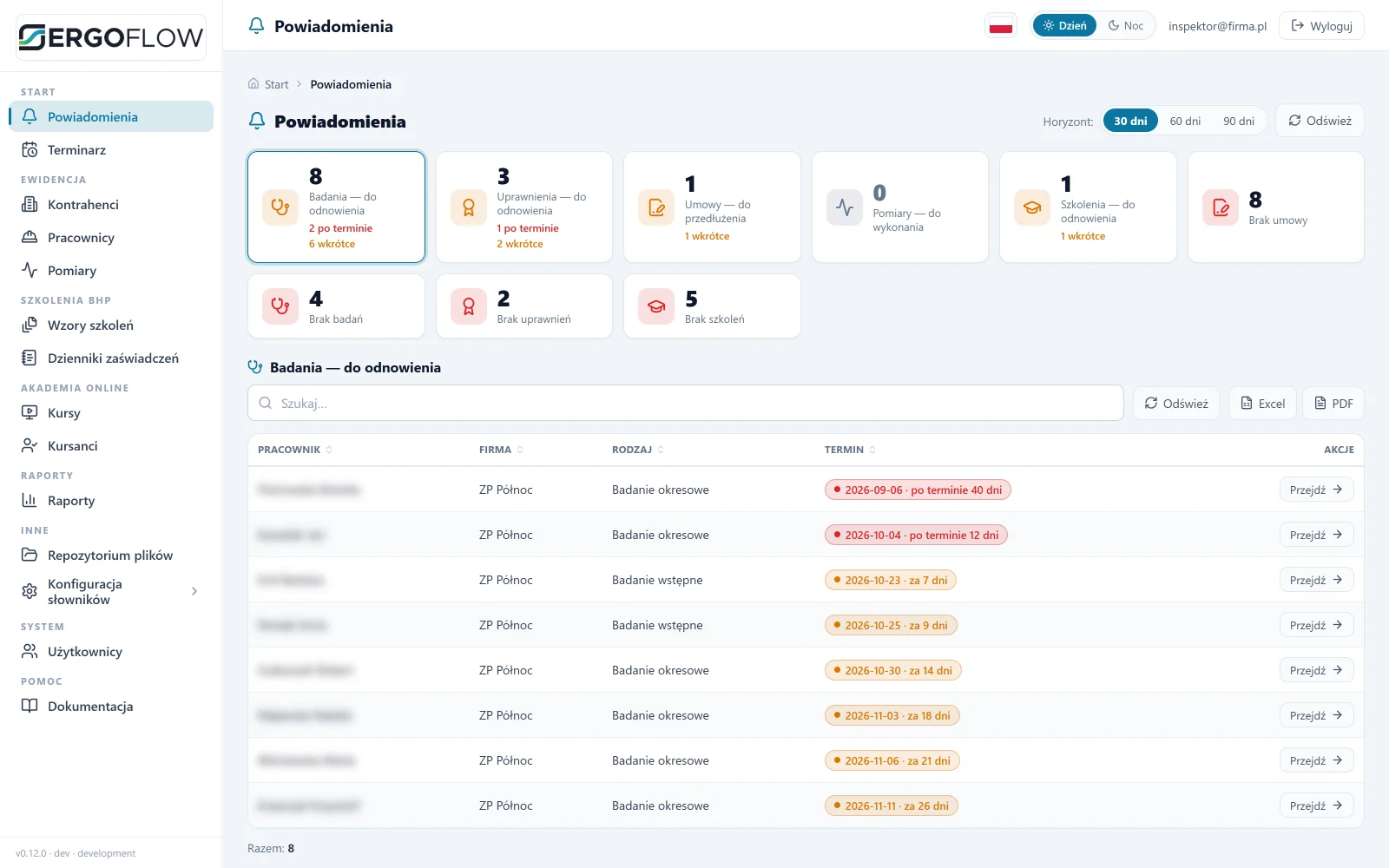
Medical examination, training and qualification deadlines keep track of themselves. Periodic training online or at the shop-floor kiosk.
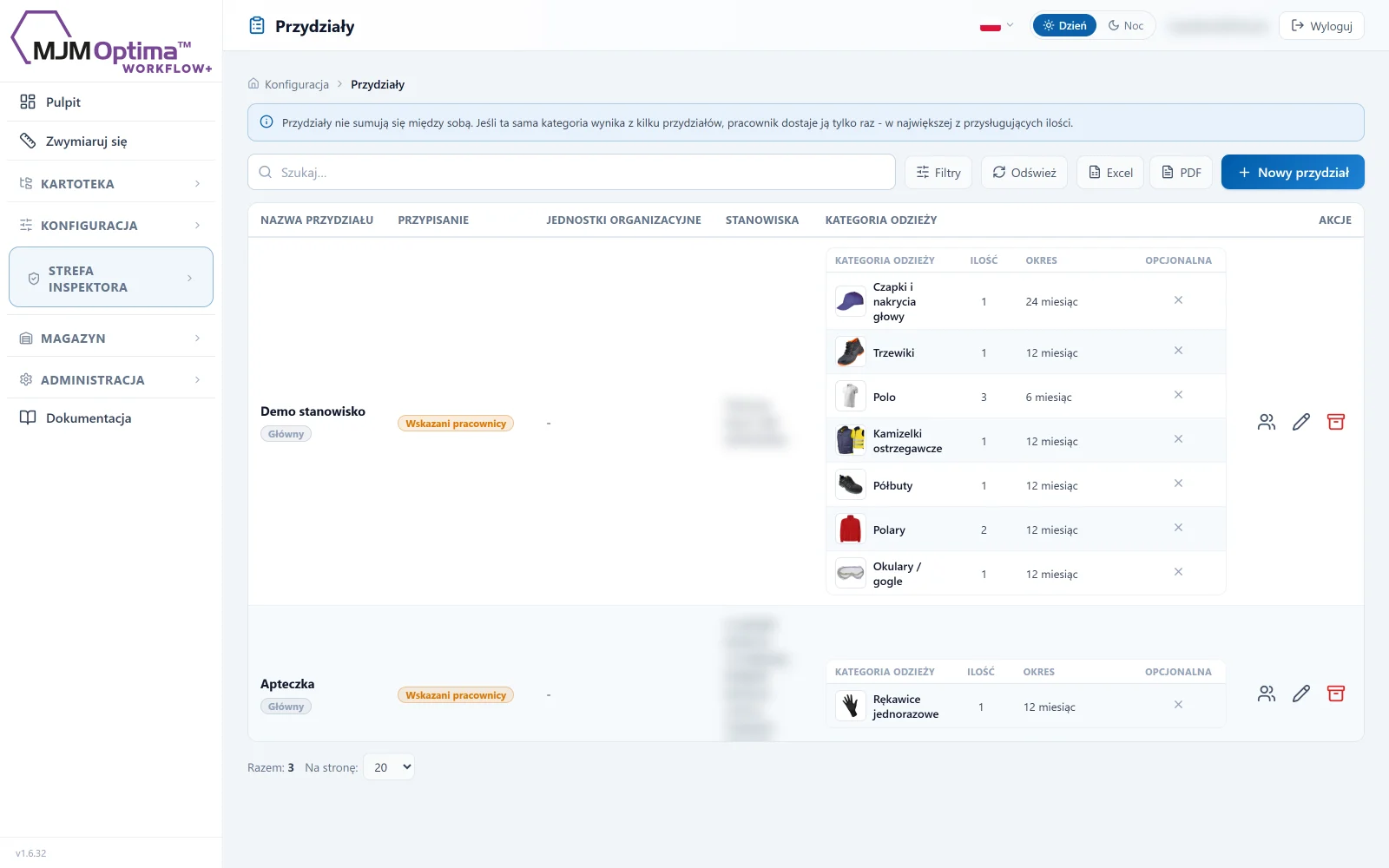
Allocation norms, sizing by the employee, orders from the norm, issue against a signed receipt or from a vending machine compartment.
An application without organised data is just a nicer-looking Excel. That is why we start with what really happens.
Observation and conversations with the people who carry out the process — not just with management.
One definition of an item, a client, an order. Reports start to add up.
Importing from files is a standard rollout step; we tidy up the names along the way.
Up-to-date status instead of a report “in a month, at a guess”.
Validation at entry, not at audit. Errors show up straight away.
Records, workflows, settlements, portals — built for your process, not for a “typical client”.
Applications that run at our clients’ sites. Each one started with a single process.
Medical examination, training and qualification deadlines keep track of themselves. The employee completes periodic training online or at the shop-floor kiosk, and the certificate goes onto their record.

The parent submits the ticket online, the school verifies it with one click, the municipality settles automatically. Zero paper applications.
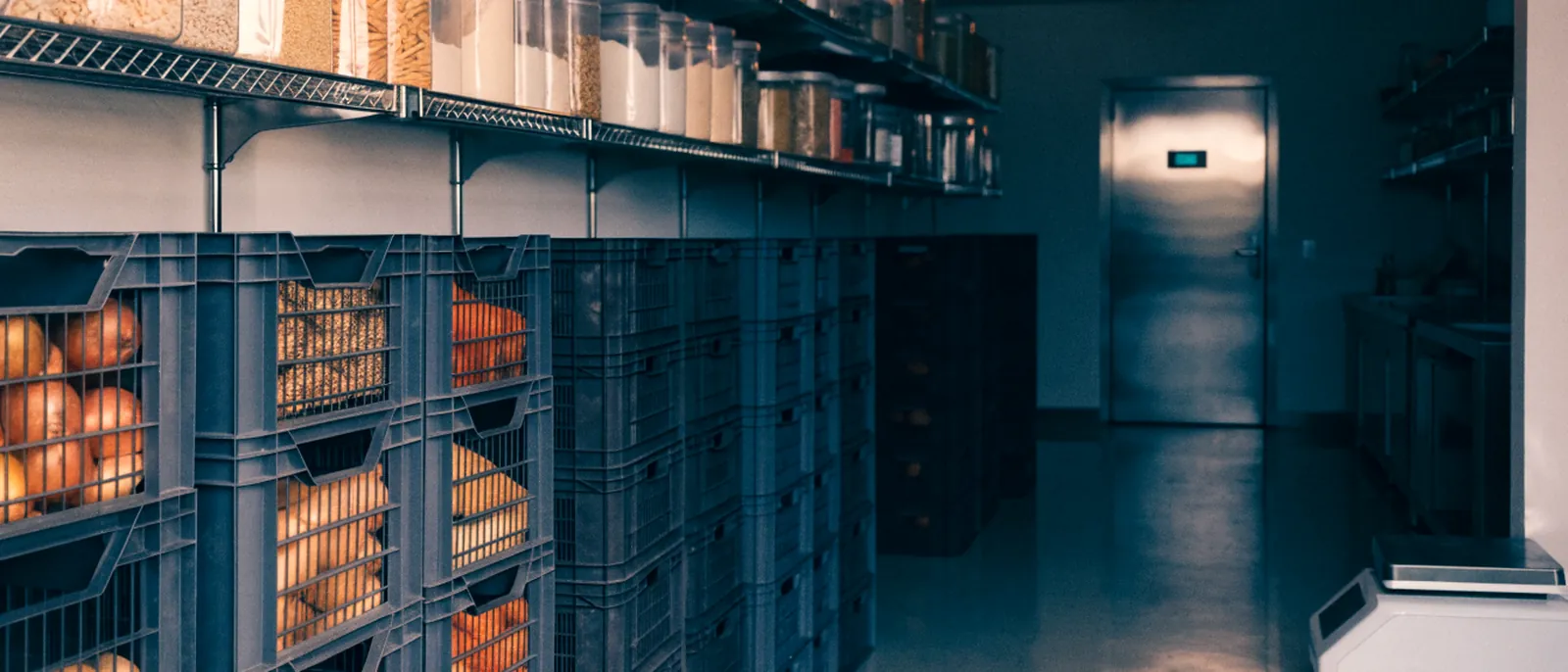
Food, cleaning products and meals in one register. Stock changes with every operation, one report at the end of the period.

Who may enter the building, which zones and for how long — with an event log, without a notebook at the reception desk.
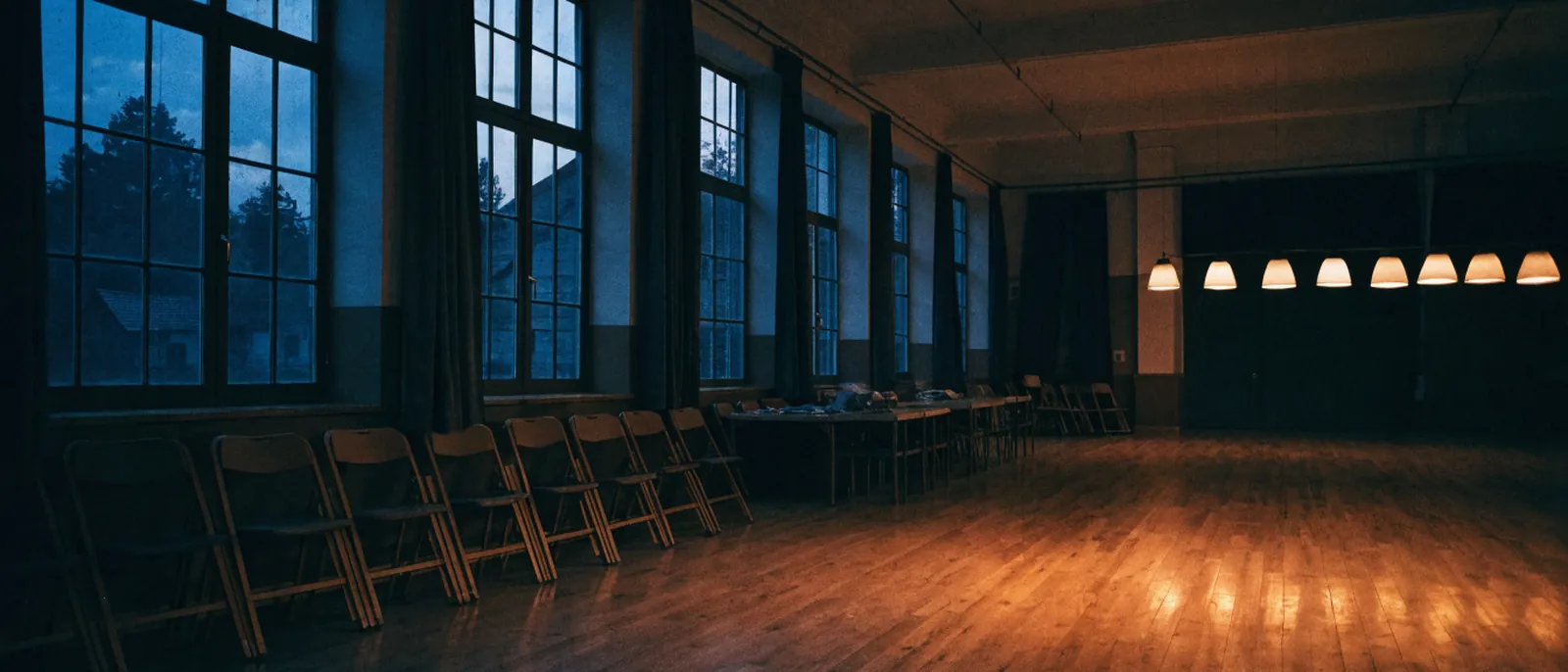
A calendar instead of a phone call to ask whether the hall is free. Request and decision in one workflow.
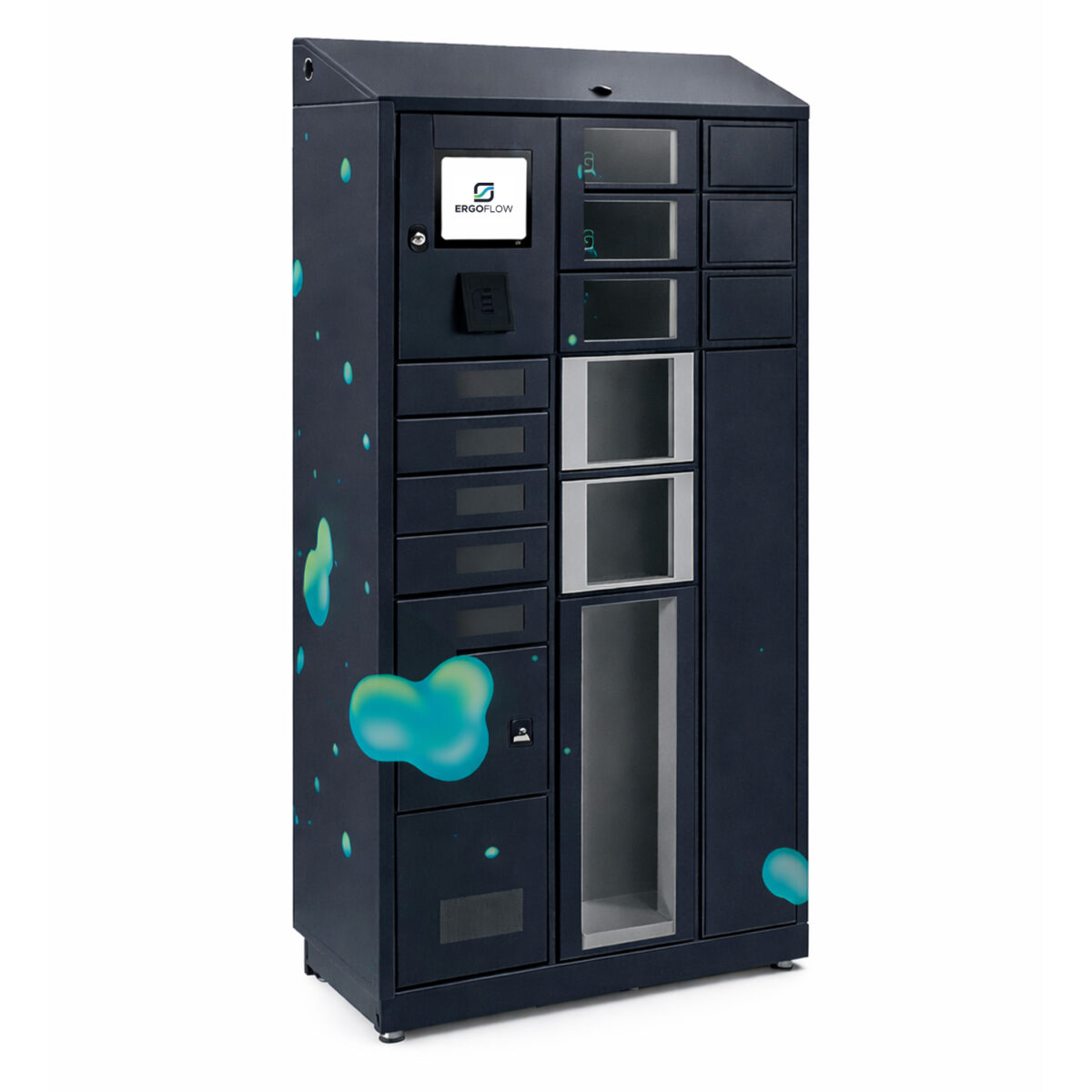
The physical layer connected to the data: drum and locker dispensers with RFID identification and ERP integration.
Records, workflows, settlements, portals — what lives today in a spreadsheet and in one person’s head.
An application is not left on its own after rollout. All our programs — SeedRM, SmartDesk, the B2B platform, the OHS app, SmartFlow — run on the same maintenance platform, so hosting, updates and backups look the same for every client.
An instance for the company on our server in Poland or on yours. The code of a custom application is yours.
A new version goes in from the repository through automated deployment, outside working hours, with the option to roll back.
Database and files backed up automatically, restores tested, not assumed. Full data export on request.
We see application availability and errors before you call. Tickets go to SmartDesk with a number and a deadline.
One login for all applications: your user directory or ours; roles are set by an administrator on your side.
Changes are made by us or by your team: every client gets a repository, a test environment and deployment.
If an off-the-shelf one fits your process — yes, and we will tell you so at the audit. We build when the process is yours rather than “typical”, or when off-the-shelf tools would have to be stitched together anyway.
No. The documentation, access and data are yours. Standard technologies, no closed formats. Keeping maintenance with us should be a choice, not a necessity.
Most of our clients don’t have one, or have one person. We need access and a few hours from the people who know the process — not a team of developers.
The audit has a fixed price; the pilot depends on the scope. After the audit you know the price range down to the last zloty — before any decision.
The one without which the company would grind to a halt tomorrow. The audit has a fixed price and does not commit you to a rollout.